Table of contents
- What Are Algae-Resistant Shingles?
- Why Is Algae a Big Problem in Florida?
- How Algae Damages Your Roof
- Benefits of Algae-Resistant Shingles for Florida Homes
- How to Know If Your Home Needs Algae-Resistant Shingles
- Algae-Resistant Shingles Vs. Regular Shingles
- Tips to Reduce Algae Growth on Your Roof
- Conclusion
- Frequently Asked Questions
Florida’s weather has a reputation for testing roofs, and homeowners have to deal with the effects of humidity, rain, heat, and relentless sunshine that their roofs endure. Amongst these problems, one stands out: the dark, ugly streaks running down the shingles.
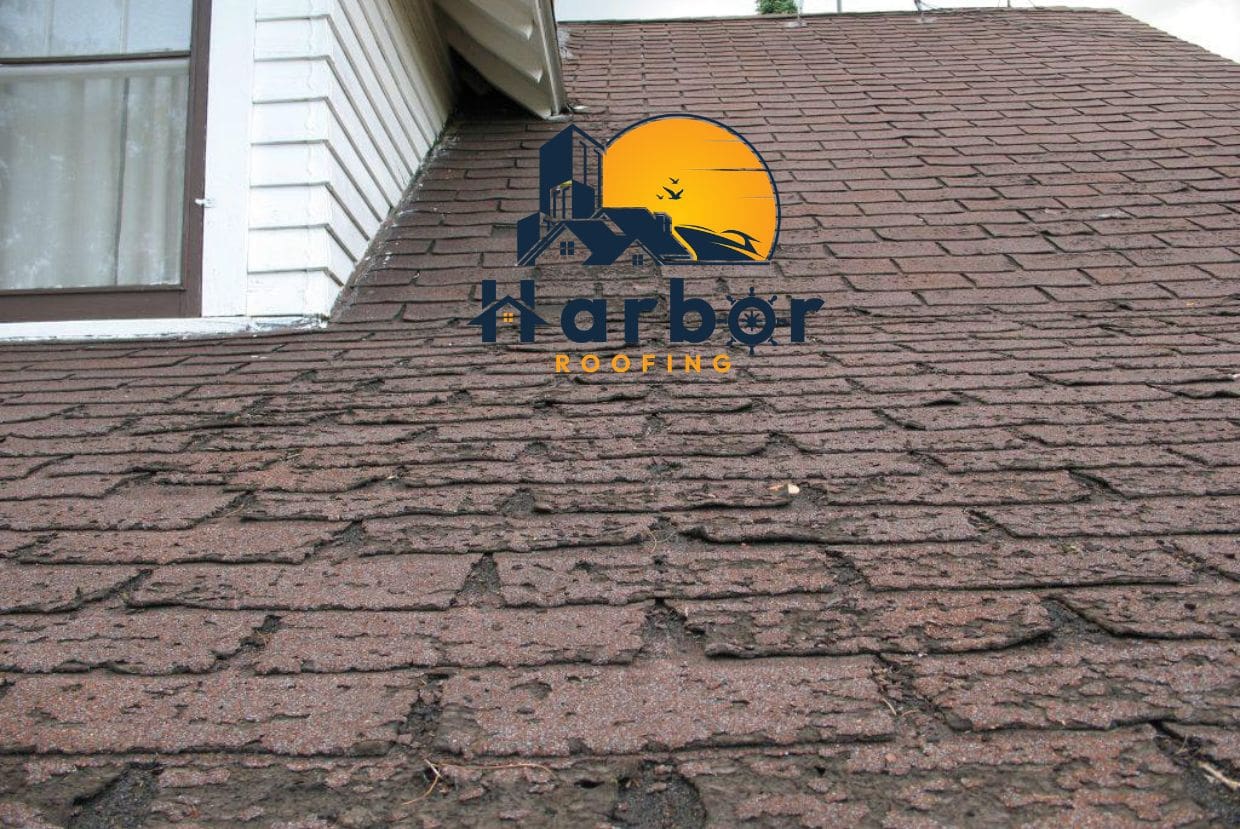
If you’ve ever looked up and wondered, “Why does my roof look dirty even after I clean it?” the answer is simple: algae, not just any algae. Florida roofs are a playground for Gloeocapsa magma, a blue-green algae that thrives in warm, humid environments. It spreads fast, clings to shingles, and leaves behind deep black staining that makes your roof look older than it actually is.
The good news is that there’s a solution that saves you money, time, and frustration. If your guess is algae-resistant shingles, you’re right. Let’s talk about it and why every Florida homeowner should have one.
What Are Algae-Resistant Shingles?
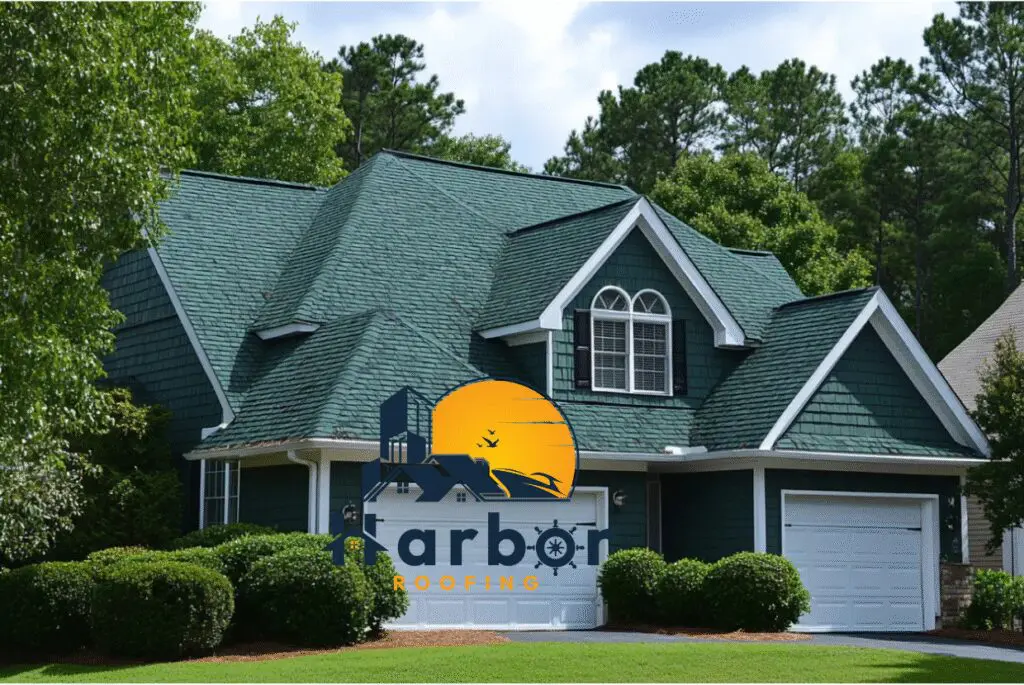
Algae-resistant shingles look just like regular asphalt shingles. Manufacturers design them with an extra component that resists algae growth. Manufacturers mix copper-infused granules into the surface of the shingles during production. These granules slowly release tiny amounts of copper each time it rains. Since algae cannot survive in copper-rich environments, the shingles stay cleaner for longer, preventing algae from taking over the roof.
This process occurs naturally and continuously, meaning the shingles are constantly working in the background to protect your roof. It saves you from dealing with dark streaks, repeated roof cleanings, and discoloration that makes your home look older than it really is.
Why Is Algae a Big Problem in Florida?
Florida practically creates the perfect conditions for algae to grow, which is why so many roofs in the state end up with dark streaks and discoloration. The climate works against homeowners in several ways, and understanding these conditions helps explain why algae-resistant shingles are so important.
1. High Humidity
Florida is known for its high humidity levels, especially from spring through fall. Algae thrives in moisture, and roofs in humid areas stay damp much longer after rain. When a roof does not dry quickly, it becomes an ideal place for algae to spread across the surface.
2. The Heat and Moisture Combination
Algae multiply faster when they have both warmth and moisture. Florida provides both almost all year round. The constant cycle of rain, sun, and humidity provides algae with the nutrients it needs to grow rapidly and cling to shingles.
3. Shaded Roofs Stay Damp Longer
Many neighborhoods in Brandon, Valrico, and the Tampa Bay area have tall trees or houses that cast shade over roofs. Although shade helps with cooling, it prevents the roof from drying out quickly. When moisture lingers, algae settle in and spread with ease.
4. Coastal Conditions Encourage Growth
Homes near the coast face extra challenges. Salt in the air, frequent storms, and long periods of moisture create a climate where algae can grow even faster. These conditions make coastal roofs particularly vulnerable to staining and discoloration.
When you add it all up, it becomes clear that Florida’s environment provides algae with almost everything it needs to thrive. In a climate like ours, algae growth is not a rare problem. It is something most roofs will eventually deal with unless you take steps like installing algae-resistant shingles to prevent it.
How Algae Damages Your Roof
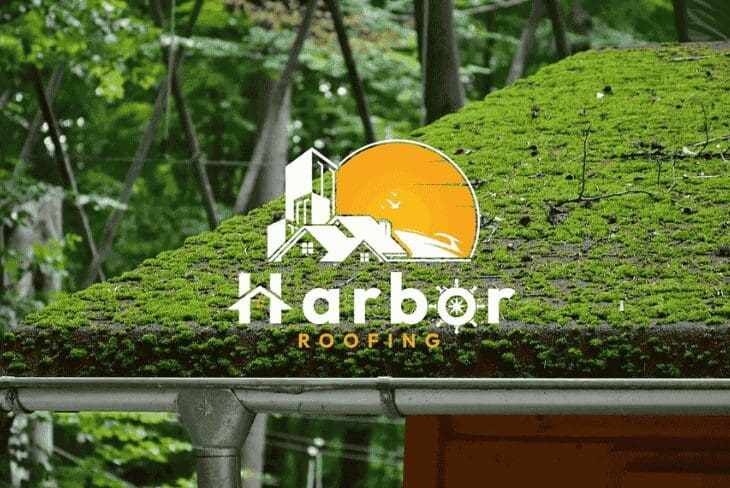
A lot of homeowners think algae is only a cosmetic issue, but it causes more trouble than most people realize. It may not create holes in your roof, but it can still lead to long-term problems that affect both your home’s appearance and its overall performance, like:
- Making your roof look older than it is
- Trapping moisture and speeding up wear
- Making your roof hotter
- Spreading faster than you think
Algae may seem harmless at first, but the longer it stays, the more problems it creates. Addressing it early or preventing it altogether can save you time, money, and frustration in the long run.
Benefits of Algae-Resistant Shingles for Florida Homes
Algae-resistant shingles offer several advantages that make them an ideal choice for Florida homeowners. They are designed to handle the exact weather conditions we deal with here, making life easier in more ways than one.
1. A Cleaner, Better-Looking Roof
The biggest benefit is how clean your roof looks over time. Algae-resistant shingles help prevent streaks, stains, and discoloration, so your roof keeps its original color for much longer. This means your home continues to look well cared for, which makes a noticeable difference in how your property is viewed from the street.
2. Lower Cooling Costs
A clean, streak-free roof reflects sunlight better than one covered in dark algae stains. When the roof surface stays lighter, it absorbs less heat. This helps keep your attic cooler, which can reduce the strain on your air conditioner and lower your energy bills during Florida’s hottest months. In a state where cooling costs stay high most of the year, this benefit alone makes a big difference.
3. Longer Shingle Lifespan
Algae holds moisture against the surface of your shingles. That trapped moisture can accelerate shingle aging and weaken them over time. Algae-resistant shingles help prevent algae growth in the first place, protecting your shingles and helping them last longer.
4. Fewer Roof Cleanings
Roof cleaning is a common maintenance task for Florida homeowners and often requires hiring a professional. This can become expensive when algae keep returning year after year. With algae-resistant shingles, you can reduce how often you need cleanings, saving both time and money.
5. Higher Curb Appeal
A clean roof instantly improves your home’s overall appearance. If you plan to sell in the future, a stain-free roof can help your property stand out in a competitive market. Even if you are not planning to sell, it simply feels good to have a home that looks fresh and well-maintained.
6. Better Performance in Humid Climates
Algae-resistant shingles are made for humid regions like Florida. They stay cleaner, handle moisture better, and maintain their appearance longer than traditional shingles. This makes them a practical upgrade for cities like Tampa Bay, Brandon, and Valrico, where humidity and rainfall are common.
How to Know If Your Home Needs Algae-Resistant Shingles
You should definitely consider algae-resistant shingles if:
- Your roof gets a lot of shade
- You live in a humid area like Tampa Bay, Brandon, or Valrico
- Your current shingles have black streaks
- You’ve paid for roof cleaning more than once
- Your energy bills are rising
- Your HOA complains about the roof’s appearance
- Your neighborhood has visible algae problems
If you checked yes to any of these, upgrading to algae-resistant shingles is worth it.
Algae-Resistant Shingles Vs. Regular Shingles
| Feature | Regular Shingles | Algae-Resistant Shingles |
| Prevents algae | No | Yes |
| Resists staining | No | Yes |
| Works well in humidity | Sometimes | Yes |
| Keeps roof color longer | No | Yes |
| Costs slightly more | Yes | No |
| Saves money long-term | No | Yes |
Tips to Reduce Algae Growth on Your Roof
If you’re not ready for a complete roof replacement, here are simple ways to slow algae growth:
- Trim back trees that shade your roof
- Keep gutters clean so water drains properly
- Schedule yearly roof inspections
- Remove debris that traps moisture
- Consider adding zinc or copper strips
These steps won’t stop algae entirely, but they help reduce how quickly it spreads.
Conclusion
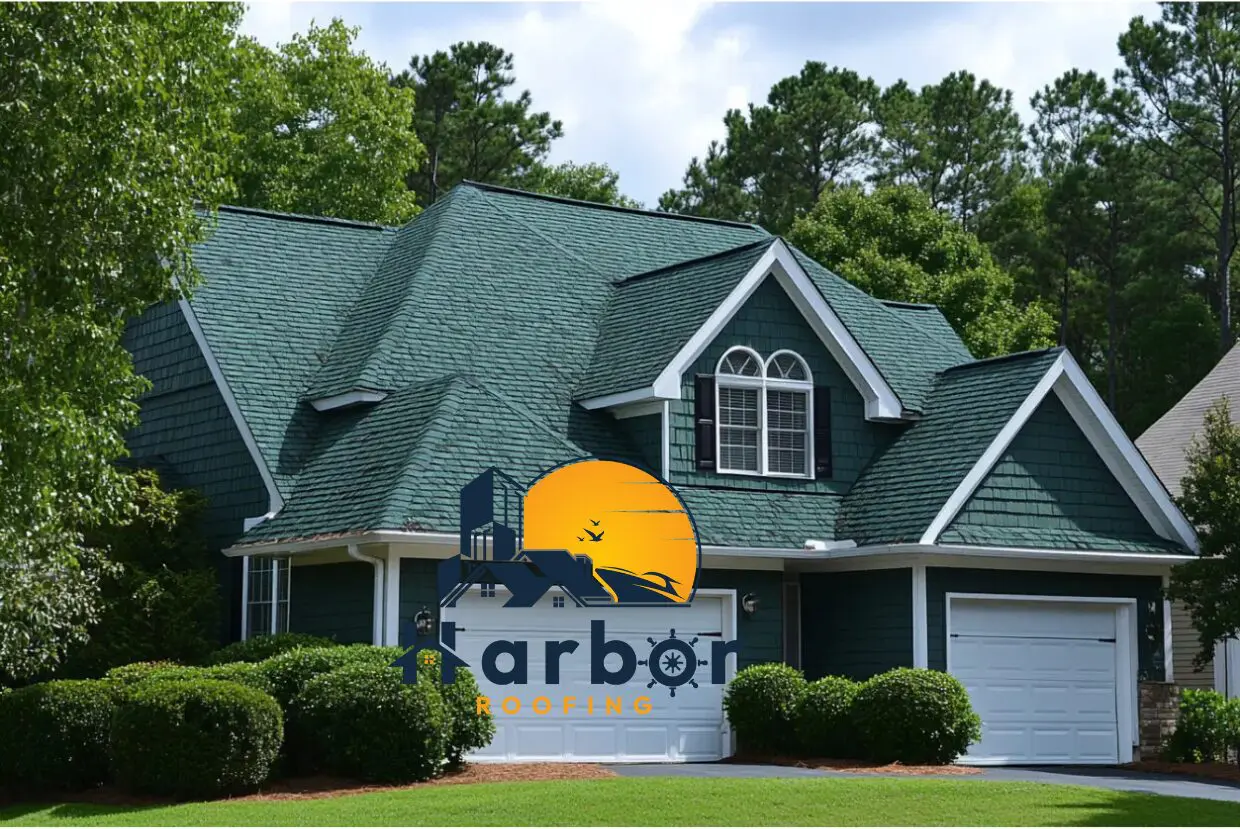
Living in Florida means dealing with heat, humidity, and frequent rainfall. Those conditions might be excellent for beach days, but they’re also perfect for algae growth. Algae-resistant shingles help you avoid stains, save money on roof cleaning, and keep your roof looking clean for years.
If you want a roof that stays beautiful and performs well in Florida’s climate, algae-resistant shingles are one of the smartest upgrades you can make.
And if you’re thinking about installing them, we’re here to help. At Harbour Roofing, we inspect, recommend, and install roofing materials that actually make sense for Florida homes. If you’re ready for a cleaner, longer-lasting roof, give us a call, and we’ll walk you through your best options.
Frequently Asked Questions
How long do algae-resistant shingles last?
Algae-resistant shingles typically last about 20 to 30 years, which is the same lifespan as most high-quality asphalt shingles. The difference is that they stay cleaner for much longer because they resist staining and discoloration.
Can I add algae protection to my existing roof?
Yes, you can add some level of protection, but it will not be as effective as installing algae-resistant shingles. Homeowners usually have two options. You can install zinc or copper strips along the roof’s ridge, which release metal ions when it rains and help slow algae growth. You can also have your roof professionally cleaned. However, the results are temporary, and algae often return within a year or two.
Do algae-resistant shingles really prevent stains?
They significantly reduce staining because the copper granules help stop algae from growing. While no material can guarantee a completely stain-free roof forever, algae-resistant shingles keep your roof looking cleaner for much longer, especially in humid climates.
Are algae-resistant shingles more expensive?
They do cost a little more upfront than standard shingles, but homeowners usually save money in the long run. You spend less on roof cleaning, your shingles last longer, and your roof maintains its appearance better, all of which add up to long-term value.
Do algae-resistant shingles work in all climates?
Yes, but they are especially beneficial in warm, humid areas where algae grows easily. States like Florida, Louisiana, Texas, and the Carolinas see the greatest benefits because algae spreads faster in these climates.