If your roof is not leaking, it is easy to assume everything is fine. No water stains, no dripping sounds, no problem. Right?
Well, unfortunately, this isn’t always true. A roof can have real damage long before you ever see a leak inside your home. By the time water shows up on your ceiling, the issue has often been there for a while. At that point, what could have been a simple repair may turn into a more expensive one. So the question should be whether your roof is still doing its job.
In this article, we will walk you through why a roof inspection still matters even when everything seems fine. You will learn what inspectors actually look for, the types of hidden damage most homeowners miss, and how early checks can save you from costly repairs down the line. By the end, you will have a clear idea of whether an inspection is worth it for your home and when it makes sense to schedule one.
What Does a Roof Inspection Involve?
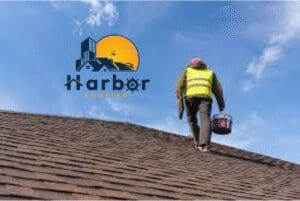
A professional roof inspection goes far beyond a quick glance at the shingles. It involves a thorough check of the entire roofing system, because every part works together to protect the home.
Here is what that typically includes:
- Shingles or roofing material: The inspection starts with a close look at the shingles or roofing surface. Cracks, curling edges, loose pieces, or missing sections are all signs of wear that can lead to bigger issues over time if left unaddressed.
- Flashing and seals: Areas around vents, chimneys, and skylights are carefully checked. These spots rely on flashing and seals to keep water out. Even small gaps or loose fittings in these areas can allow moisture to enter and eventually cause leaks.
- Roof decking: Beneath the outer layer is the roof decking, which provides structural support. Inspectors look for soft spots, sagging, or signs of moisture damage. Any weakness here can affect the stability of the entire roof.
- Gutters and drainage: Proper drainage is essential for a healthy roof. Gutters are checked to ensure water flows off the roof correctly. When drainage is poor or blocked, water can collect, increasing the risk of damage.
- Attic ventilation and insulation: The attic is also part of the inspection. Poor ventilation can trap heat and moisture, which may damage the roof from the inside. Insulation is reviewed to ensure it is supporting proper airflow and temperature control.
- Signs of hidden moisture: Even when there is no visible leak, inspectors look for early signs of moisture buildup. This may include damp areas or conditions that could lead to mold or structural damage later on.
A proper inspection brings all these elements together and shows how well the roof is performing as a complete system, not just how it appears from the outside.
Why a Roof Can Be Damaged Without Leaking
Small Shingle Damage
A few cracked or missing shingles may not cause an immediate problem. However, they leave the layers underneath exposed. Over time, water can begin to seep in and weaken the structure.
Worn Flashing
Flashing around vents, chimneys, and other roof openings can loosen or corrode with age. It may still hold up for now, but it often becomes a weak point that can fail during heavy rain or strong winds.
Heat and UV Damage
In warmer climates like Florida, constant sun exposure takes a toll on roofing materials. Shingles can dry out, lose flexibility, and become brittle. This makes them more likely to crack or break over time.
Poor Ventilation
When heat and moisture get trapped in the attic, they can slowly damage the roof from the inside. This type of issue often goes unnoticed until it has already caused significant wear.
Storm Impact
Wind, rain, and debris can cause subtle damage that is not always visible from the ground. A roof may appear fine but still have weakened areas that can lead to problems later.
Consequences of Waiting Till Your Roof Leaks
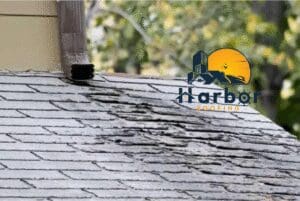
Waiting for a leak may seem like a way to avoid unnecessary expenses. In reality, it often leads to higher costs and more serious problems.
Here is what can happen when issues are left unaddressed:
- Minor repairs turn into major repairs: Fixing a few damaged shingles is relatively simple and affordable. If the problem spreads to the underlying structure, repairs become much more complex and expensive.
- Water damage spreads: Once water gets inside, it does not stay in one place. It can affect insulation, ceilings, walls, and even electrical systems, leading to widespread damage.
- Mold growth becomes a risk: Moisture buildup creates the right conditions for mold to develop. This can impact both the structure of the home and indoor air quality.
- Shorter roof lifespan: Ignoring small issues can accelerate a roof’s aging. What could have lasted several more years may need replacement much sooner.
- Insurance complications: Some insurance claims may be denied if the damage is seen as preventable or due to a lack of maintenance. Regular inspections help show that the roof has been properly cared for.
Addressing problems early helps keep repair costs manageable and prevents larger issues from developing over time.
How Often Should You Get a Roof Inspection?
Even if your roof is not leaking, you shouldn’t ignore it. Regular inspections are an important part of keeping it in good condition and avoiding unexpected problems.
Most professionals recommend scheduling a roof inspection at least once a year for general maintenance. It is also a good idea to have your roof checked after major storms, especially in areas like Florida, where wind and heavy rain can cause damage that is not always visible right away.
Inspections are also important before buying or selling a home, as they give a clear picture of the roof’s condition. If your roof is ten to fifteen years old, you may need to inspect it more frequently, as materials tend to wear out over time.
In storm-prone areas, inspections matter even more. Heat, humidity, and severe weather can wear down a roof faster than expected, even without obvious signs of damage.
It helps to think of a roof inspection like a regular checkup. Most people do not wait until something goes wrong before seeing a doctor. Taking the same approach with a roof can help you catch issues early and avoid costly repairs later.
7 Signs You Need an Inspection Even Without a Leak
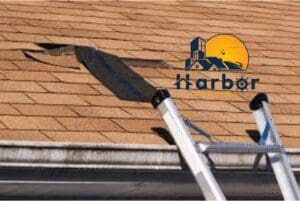
You do not need a visible leak to justify an inspection. There are smaller signs that something may be off. Look out for:
- Missing or damaged shingles
- Granules accumulating in gutters
- Sagging areas on the roof
- Dark streaks or discoloration
- Higher energy bills without explanation
- Musty smells in the attic
- Visible wear around vents or chimneys
Even one of these signs is enough reason to take a closer look.
Is a Roof Inspection Worth the Cost?
The short answer is yes. Most roof inspections are either free or relatively low-cost, especially compared to the expense of major repairs or a full roof replacement. The value of an inspection comes from what it helps you avoid and how it allows you to plan ahead.
A roof inspection gives you peace of mind by showing you exactly where your roof stands. Instead of guessing, you have a clear understanding of its condition. It also helps with early problem detection, so small issues can be fixed before they become more serious and costly repairs.
Inspections also make it easier to plan. If a roof is starting to age, there is time to prepare financially and avoid being caught off guard by a sudden replacement. This becomes even more useful when buying or selling a home, as a recent inspection can strengthen your position during negotiations.
When you compare the cost of an inspection to the potential cost of hidden damage, it becomes an easy and practical decision.
What Happens During a Professional Roof Inspection?
A professional inspection is straightforward and usually quick. Here is what you can expect:
- Exterior check: The roofer examines shingles, flashing, vents, and overall condition.
- Interior check: They may inspect the attic for moisture, ventilation, and structural concerns.
- Documentation: Photos and notes help you understand what they found.
- Recommendations: You get clear next steps, whether it is minor repairs, maintenance, or future planning.
A good roofer will explain things in simple terms. You should never feel confused about the condition of your own roof.
Conclusion
So, is a roof inspection worth it if your roof is not leaking? Yes. And honestly, that is the best time to get one.
A roof inspection is not just about fixing problems. It is about preventing them. It helps you catch small issues early, plan ahead, and avoid the stress of unexpected damage.
If you are not sure about your roof’s condition, getting it checked is one of the simplest and smartest steps you can take as a homeowner.
Frequently Asked Questions
How long does a roof inspection take?
Most inspections take between 30 minutes and an hour, depending on the size and condition of the roof.
Can I inspect my roof myself?
You can spot obvious issues from the ground, but a professional inspection is safer and more thorough. Walking on a roof without experience can be dangerous.
Will a roof inspection help with insurance?
Yes. A documented inspection can support insurance claims, renewals, or policy approvals, especially in states like Florida.