If you’re wondering if your roof will last another year, there’s a good chance it needs attention. Many homeowners don’t consider their roof until they spot a ceiling stain or shingles in the yard. But sometimes, the warning signs are subtle. Your roof just feels old, and you’re unsure if it can handle one more year.
In this guide, we will walk you through the real signs that tell you whether your roof still has life or if you are pushing your luck.
How to Know If Your Roof Will Last Another Year
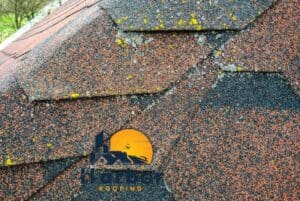
Determine Your Roof’s Age
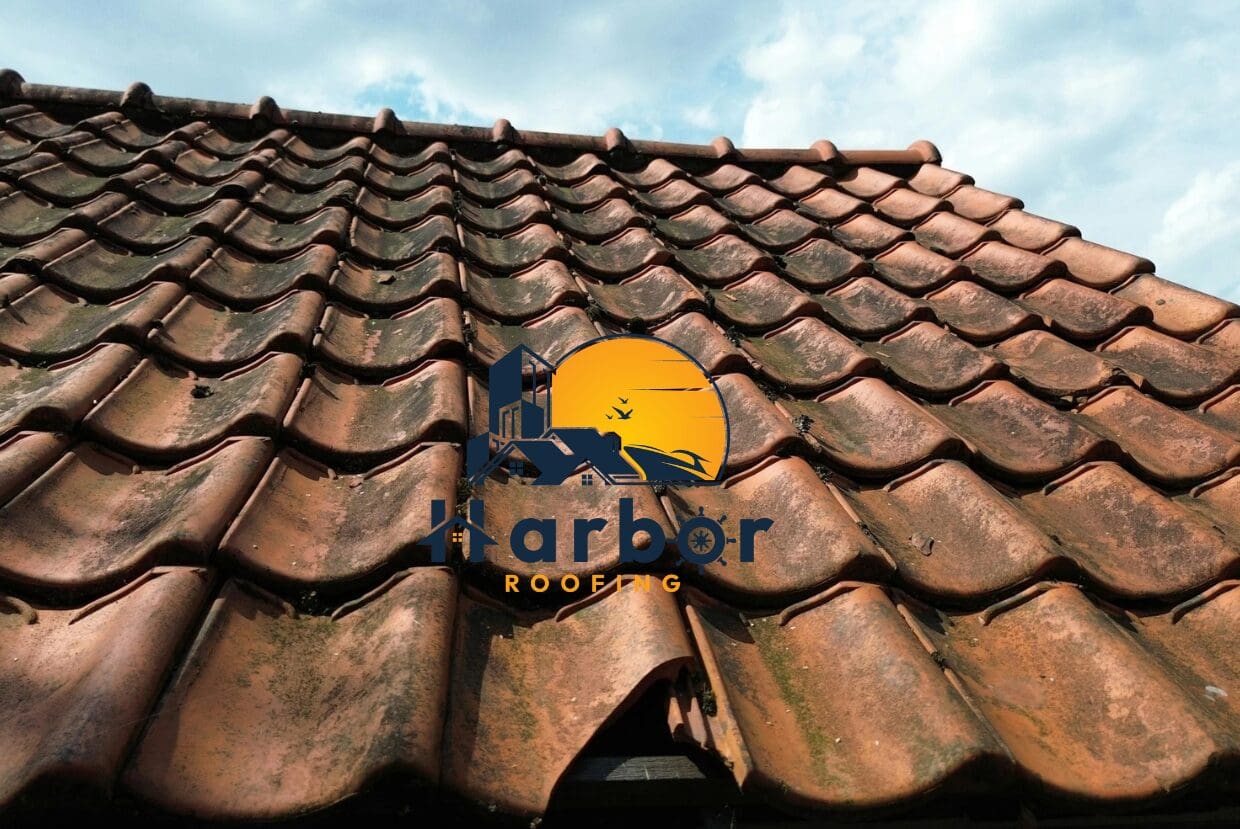
Roof age matters more than you might know. Most asphalt shingle roofs last between 15 and 30 years, depending on the quality of the material, climate, and installation. Architectural shingles often last longer than basic three-tab shingles. Metal roofs can last 40 to 70 years. Tile and slate can last even longer.
If your asphalt roof is 18 to 22 years old, it is in the late stage of its lifespan. While it may not fail tomorrow, monitor it closely.
If your roof is over 25 years old and has had multiple repairs, you are likely on borrowed time. Ask yourself: When was it installed? Have I replaced it before? Do I know the type of material used?
If you do not know the age, check your home purchase documents or, if possible, contact the previous owner. Age gives you your first clue.
Look for Curling, Cracked, or Missing Shingles
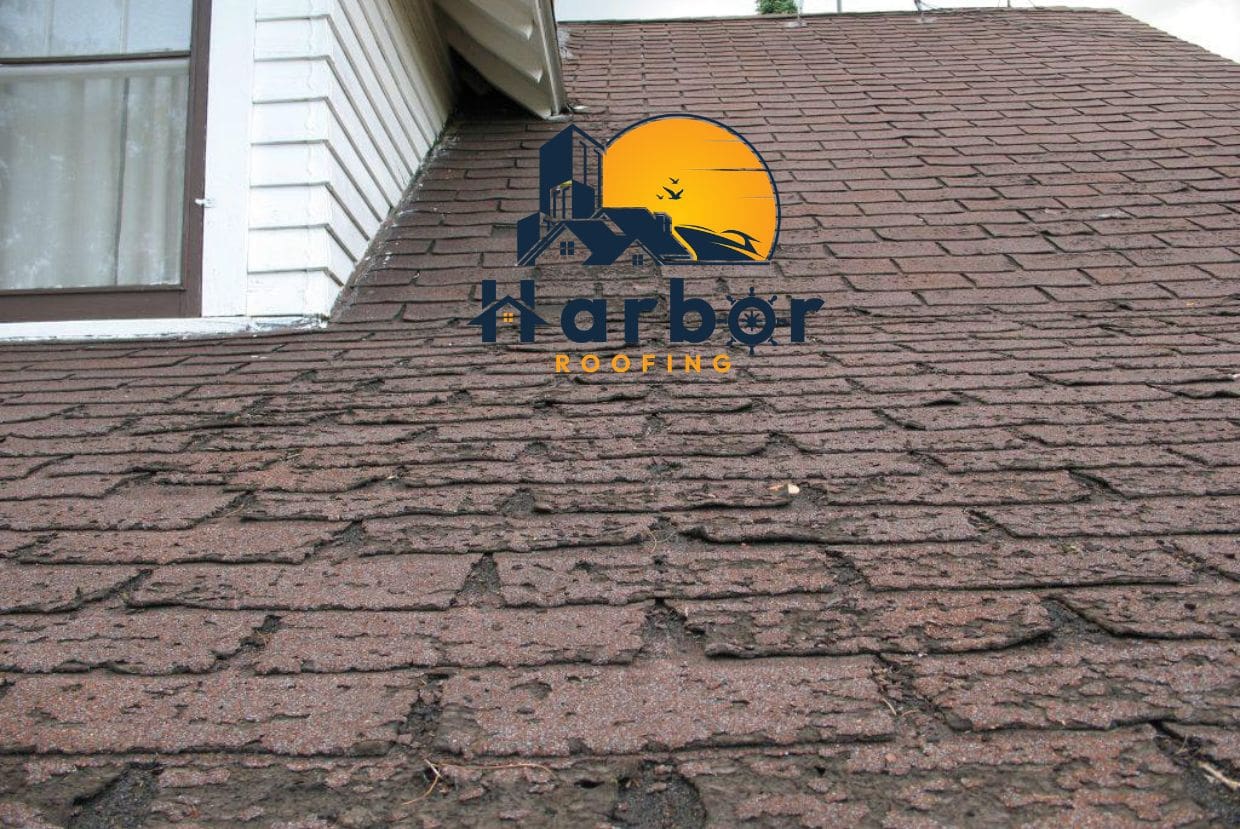
Shingles tell the story of your roof’s condition. Curling shingles often means the material has dried out and reached the end of its life. Cracked shingles allow water to seep beneath, and missing shingles expose the underlayment and decking to direct weathering.
If only a few shingles are damaged after a storm, a repair may solve the problem. Widespread curling or cracking usually means the roof is deteriorating and may not survive another heavy rain season without leaks.
Check for Granule Loss
Asphalt shingles contain granules that protect them from UV rays and weather damage. Over time, shingles lose granules. Although some loss is normal, it becomes abnormal when the granule buildup in gutters is heavy, or there are bare spots on the shingles.
Granule loss exposes the asphalt beneath. Significant bald spots or heavy granule shedding suggest your roof may not last another year.
Inspect Flashing and Seals
Flashing protects the most vulnerable areas of your roof, including where it meets chimneys, vents, skylights, and valleys. These transition points handle a lot of water flow, so they must stay properly sealed. When flashing becomes damaged, it often leads to roof leaks.
Cracked sealant, rusted metal, or loose flashing can create openings that allow water to seep beneath your roofing materials. Once flashing fails, water can enter quickly and spread before you notice it inside your home. Even if your shingles appear to be in good condition, deteriorating flashing can significantly shorten your roof’s remaining lifespan.
A professional inspection can tell you whether the problem just needs a quick fix or is a sign of bigger trouble with your roof.
Assess Inside Your Attic
Your attic often reveals problems your roof hides from plain view. Take time to carefully inspect the space. Look for water stains on rafters or decking, since discoloration usually signals past or active leaks. Pay attention to any musty, moldy, or mildew smells, because trapped moisture often causes them before visible damage spreads. If you notice damp insulation or signs of condensation, that also points to ventilation or leak issues that could shorten your roof’s lifespan.
Daylight Shining Through the Boards
If you spot active leaks or lots of moisture damage, your roof probably won’t last another year without major repairs.
Check roof ventilation. Poor attic airflow traps heat and moisture, shortening your roof’s lifespan. Major organizations emphasize proper ventilation. An overheated attic accelerates shingle wear.
Watch for Sagging or Soft Spots
Sagging in a roof can signal structural problems such as rotting decking, weakened supports, or moisture damage. Rooflines should be straight. Dips or soft spots indicate deeper concerns and trapped moisture, which can weaken decking.
If your roof shows visible sagging or feels unstable in certain areas, schedule an inspection immediately. Waiting another year under these conditions can significantly increase repair costs and may even lead to structural damage to the interior.
Consider Your Local Climate
Where you live has a big impact on your roof’s lifespan. Climate affects how fast roofing materials wear out and how much stress they face each year. For example, homes in Florida get intense sun, heavy rain, high humidity, and strong winds.
In northern states, roofs have to withstand heavy snow, ice dams, and freeze-thaw cycles that cause materials to expand and contract. In desert areas, shingles face extreme heat that can dry them out and cause cracks.
If your roof shows signs of wear and you live in an area with frequent storms or harsh seasons, delaying repairs increases the risk of sudden failure.
Consider Recent Storm Damage
Even small storm damage can shorten your roof’s lifespan. High winds may loosen shingles, making them weaker for the next storm. Hail can bruise shingles and strip granules, reducing water resistance. Water can infiltrate and rot wood, sometimes without obvious signs inside.
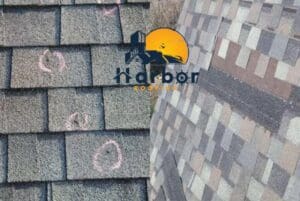
If your roof has been through several storms lately, don’t assume it’s fine just because you haven’t seen a leak. Insurance data shows wind and hail are some of the top causes of roof damage in the U.S. Getting your roof checked after a storm can catch hidden problems early and help you decide if it’s safe for another year.
Evaluate Your Repair History
Review how often you’ve repaired your roof. One fix isn’t serious, but repeated repairs in different areas suggest overall wear. If repairs are frequent, the roof may be declining.
Over time, the cost of repeated repairs can exceed the cost of a planned replacement. When repairs become frequent, it is usually a sign that the roof is reaching the end of its life.
Get a Professional Roof Inspection
Judging your roof’s condition from the ground is difficult. Professionals inspect up close, check flashing and sealants, review attic ventilation, and spot hidden damage. They usually provide photos and a written report at a much lower cost than emergency water repairs. If uncertain, get an inspection for clear answers.
When You Should Not Delay Your Roof Replacement
Do not delay replacement if:
- Shingles curl or crack across large areas
- Granule loss appears severe
- Leaks occur repeatedly
- Sagging becomes visible
- Multiple repairs fail
- Structural damage shows
Waiting in these situations increases the risk of damage to your home, mold growth, ruined insulation, and higher repair bills.
Planning a roof replacement in advance usually costs less than dealing with emergency water damage.
Conclusion
To know whether your roof will last another year, start by checking its age. Look for visible signs, inspect the attic, consider recent storms, and review repair history. Then, get a professional inspection. A roof that’s in good shape can usually last another year with regular care. But if you see lots of wear, leaks, or structural problems, don’t wait to take action.
Don’t take chances with your home. Schedule an inspection with Harbor Roofing today. We’ll give your roof an honest assessment, document everything we find, and provide a clear recommendation so you can plan with confidence.
Frequently Asked Questions
How long does an asphalt roof usually last?
Most asphalt shingle roofs last 15 to 30 years, depending on the quality of the material, installation, ventilation, and climate.
Can a roof fail suddenly?
Yes. Severe storms, high winds, or underlying structural weakness can cause sudden failure, especially in older roofs.
Should I replace my roof before it leaks?
Often yes. Replacing before active leaks begin helps you avoid interior water damage and emergency repairs.
What happens if I wait too long to replace my roof?
A delay in your replacement puts you at risk of interior damage, mold growth, structural repairs, higher insurance complications, and higher total costs.