10 Reasons Why Some Roofs Age Faster Than Others
Two homes can sit on the same street, built around the same time, with similar roofing materials. A few years later, one roof still looks solid, while the other already shows signs of wear. If you have ever noticed this in your neighborhood, you are not imagining things—some roofs age faster than others.
Roof aging comes down to a mix of factors that affect how fast materials break down over time. Some of these factors are obvious, while others are easy to miss until the damage becomes noticeable.
Let’s talk about them.
What Is the Average Lifespan of a Roof?
Before getting into why roofs age differently, it helps to understand what a normal lifespan looks like.
Not all roofing materials last the same amount of time, and knowing the general range gives you a better sense of whether your roof is aging as expected or faster than it should.
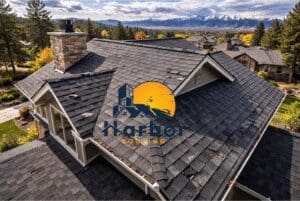
In the U.S., asphalt shingles typically last 15 to 30 years, while metal roofs can last 40 to 70 years. Clay or concrete tiles often reach 50 years or more, and slate roofs can last 75 years or even longer. These timelines assume the roof is installed correctly, has proper ventilation, and receives regular maintenance. Without those factors in place, even high-quality materials can wear out much sooner than expected.
10 Reasons Why Some Roofs Age Faster Than Others
1. Climate and Weather Conditions
Weather is one of the biggest factors that affect how quickly a roof ages. Roofing materials are constantly exposed to the elements, and over time, that exposure takes a toll.
In places like Florida, roofs face intense sun, high humidity, heavy rain, and strong storms year-round. Heat and UV exposure can dry out shingles and make them brittle. Heavy rain slowly wears down protective layers, while strong winds can loosen or damage materials. On top of that, constant humidity can lead to moisture buildup, which increases the risk of mold and hidden damage.
Roofs in milder climates tend to last longer because they are not under the same level of stress. In harsher environments, aging happens much faster, even if the roof looks fine from the outside at first.
2. Quality of Installation
Even the best roofing materials will not last if they are installed incorrectly. Poor installation can lead to:
- Improper sealing around vents and edges
- Loose or misaligned shingles
- Weak flashing around critical areas
- Poor drainage setup
These issues may not cause immediate problems, but they create weak points. Over time, those weak points become leaks, cause water damage, and accelerate deterioration. A properly installed roof performs better and lasts longer. A poorly installed one often fails early.
3. Roofing Material Quality
Not all roofing materials are of the same quality. For example, basic asphalt shingles are more affordable, but they typically do not last as long as premium options. Higher-quality materials often come with better resistance to heat, wind, and moisture.
Lower-grade materials tend to wear out faster, lose protective granules sooner, and crack or curl more easily. Choosing higher-quality materials may cost more upfront, but it usually leads to a longer lifespan and fewer problems down the line.
4. Poor Ventilation
Ventilation plays a bigger role in roof health than most people realize. When a roof lacks proper airflow, heat and moisture can get trapped in the attic. This creates a damaging environment from the inside.
This is what can happen:
- Heat buildup can cause shingles to age faster
- Moisture can lead to mold and wood rot
- Insulation can become less effective
- The overall structure can weaken over time
Proper ventilation helps regulate temperature and moisture levels, which protects the roof from premature aging.
5. Lack of Maintenance
Roofs do not maintain themselves. Without regular care, small issues can quickly turn into bigger problems.
Common maintenance issues include:
- Clogged gutters
- Debris buildup
- Minor damage left unrepaired
- Ignored wear and tear
A roof that gets regular inspections and minor repairs will last longer than one that is left alone until something goes wrong. Maintenance does not have to be complicated. Even basic upkeep can make a big difference.
6. Tree Coverage and Debris
Trees may provide shade, but they can also shorten a roof’s lifespan. Falling leaves, branches, and debris often collect on the roof and in gutters, trapping moisture and creating the right conditions for mold and rot to develop over time.
Overhanging branches add to the problem by scratching roofing materials, dropping heavy limbs during storms, and blocking sunlight that helps the roof dry properly. Too much shade, combined with debris buildup, can accelerate roof aging, especially in humid climates.
7. Roof Color and Heat Absorption
Roof color plays a role in how much heat a roof absorbs. Darker roofs tend to absorb more heat, while lighter roofs reflect more sunlight.
In hot climates, this means darker roofs can heat up more, which may speed up wear on materials like asphalt shingles over time. While color alone does not determine how long a roof will last, it can contribute to faster aging, especially when combined with poor ventilation.
8. Roof Design and Slope
The design of a roof also affects how well it ages. Roofs with a steeper slope tend to shed water more efficiently. This reduces the risk of standing water and moisture damage.
Low-slope or flat roofs, on the other hand, may:
- Hold water longer
- Be more prone to leaks
- Require more maintenance
Complex roof designs with multiple valleys and intersections can also create weak points where water can collect.
9. Storm Damage Over Time
Even if a roof does not suffer major storm damage, repeated exposure to storms adds up. Wind, rain, and debris can cause small, gradual damage that is not always visible right away. Over time, this can lead to:
- Loosened shingles
- Worn protective layers
- Increased vulnerability to leaks
This type of wear is common in storm-prone areas and is one reason roofs may age faster than expected.
10. Previous Repairs or Layering
If a roof has been patched multiple times or layered with new shingles over old ones, it may not perform as well as a properly replaced roof.
Here’s what layering can cause:
- Trap heat and moisture
- Add extra weight
- Hide underlying damage
While it may seem like a cost-saving option, it can shorten the roof’s overall lifespan.
How to Slow Down Roof Aging
While some factors are out of your control, many are not. Here are practical ways to help your roof last longer:
- Schedule regular roof inspections
- Keep gutters clean and clear
- Trim overhanging tree branches
- Address small issues early
- Ensure proper attic ventilation
- Choose quality materials during installation
These steps do not eliminate aging, but they help slow it down and prevent avoidable damage.
Signs Your Roof May Be Aging Faster Than It Should
Some warning signs suggest your roof is wearing out sooner than expected:
- Shingles are curling, cracking, or missing
- Granules are collecting in gutters
- Roof appears uneven or sagging
- Water stains appear on ceilings
- Energy bills increase due to poor insulation
If any of these show up early in your roof’s life, it may be aging faster than it should.
Conclusion
Roofs do not all age at the same pace, and there is usually a clear reason why. Climate, installation quality, materials, ventilation, and maintenance all play a role in how long a roof lasts. When several of these factors work against the roof, aging speeds up. When you manage it properly, the roof performs better and lasts longer.
The good news is that many of these factors are within your control. Staying proactive, paying attention to early signs, and keeping up with basic maintenance can make a big difference.
If there is any uncertainty about how your roof is holding up, a professional inspection can provide clear answers. At Harbor Roofing, we help homeowners assess how their roof is aging, identify problem areas early, and recommend the right next steps before small issues turn into major repairs. Getting a professional opinion now can help you extend your roof’s lifespan and avoid unnecessary costs later on.
Frequently Asked Questions
Why do asphalt shingles wear out faster in hot climates?
High heat and UV exposure cause shingles to dry out and lose flexibility. Over time, this makes them brittle and more prone to cracking or breaking.
Can poor ventilation really damage a roof?
Yes. Trapped heat and moisture in the attic can accelerate aging, weaken materials, and lead to mold or structural issues.
Do darker roofs always wear out faster?
Not always, but darker roofs absorb more heat, which can increase wear in hot climates when ventilation is inadequate.