Table of contents
- 10 Roofing Mistakes Homeowners Make at the Start of the Year
- Assuming the Roof Is Fine Because It Is Not Leaking
- Skipping a Roof Inspection After Storm Season
- Waiting Too Long to Deal With Small Repairs
- Choosing the Wrong Time of Year for Roof Replacement
- Not Reviewing Insurance Coverage at the Start of the Year
- Hiring a Roofer Without Researching First
- Choosing Price Over Quality
- Ignoring Attic Ventilation and Insulation
- Waiting for Storm Season to Prepare the Roof
- Assuming All Roofing Materials Perform the Same
- How to Avoid Common Roofing Mistakes Homeowners Make
- Conclusion
- Frequently Asked Questions
The new year feels like a fresh start. Homeowners plan budgets, set goals, and tackle overdue projects. However, many make avoidable roofing mistakes that lead to higher costs later.
Every year, homeowners ignore minor issues, make assumptions, or act hastily. By storm season, these early mistakes become leaks, insurance issues, or costly roof replacements that could have been avoided.
If you want to protect your home and wallet, keep reading this guide to learn about the most common roofing mistakes homeowners make at the beginning of the year and how to avoid them.
10 Roofing Mistakes Homeowners Make at the Start of the Year
Assuming the Roof Is Fine Because It Is Not Leaking
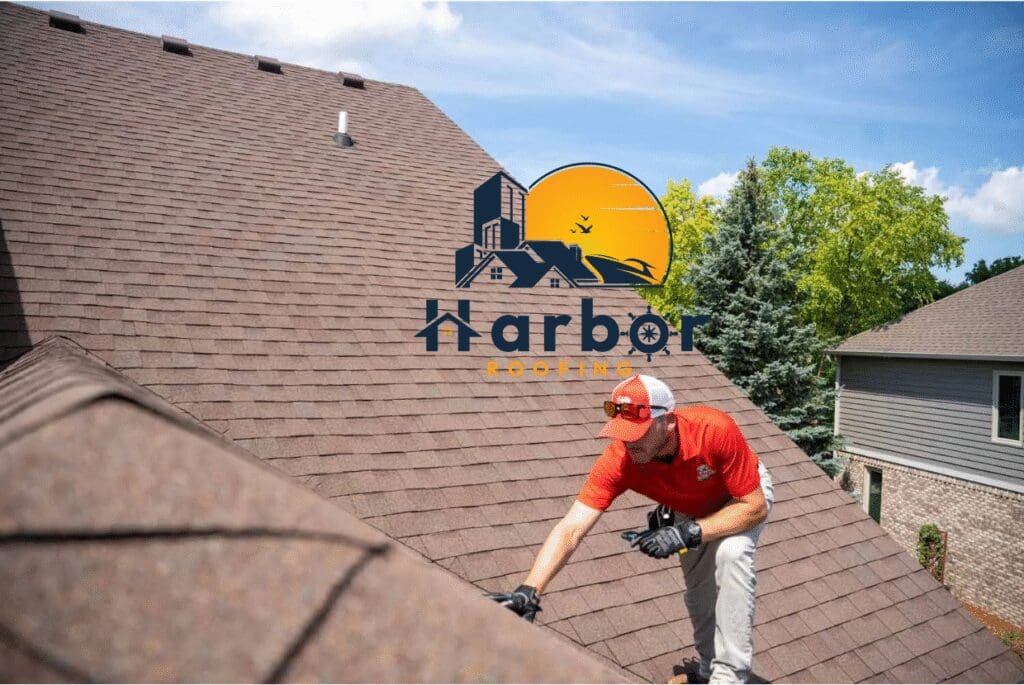
One of the biggest mistakes homeowners make is thinking their roof is fine just because there is no visible leak.
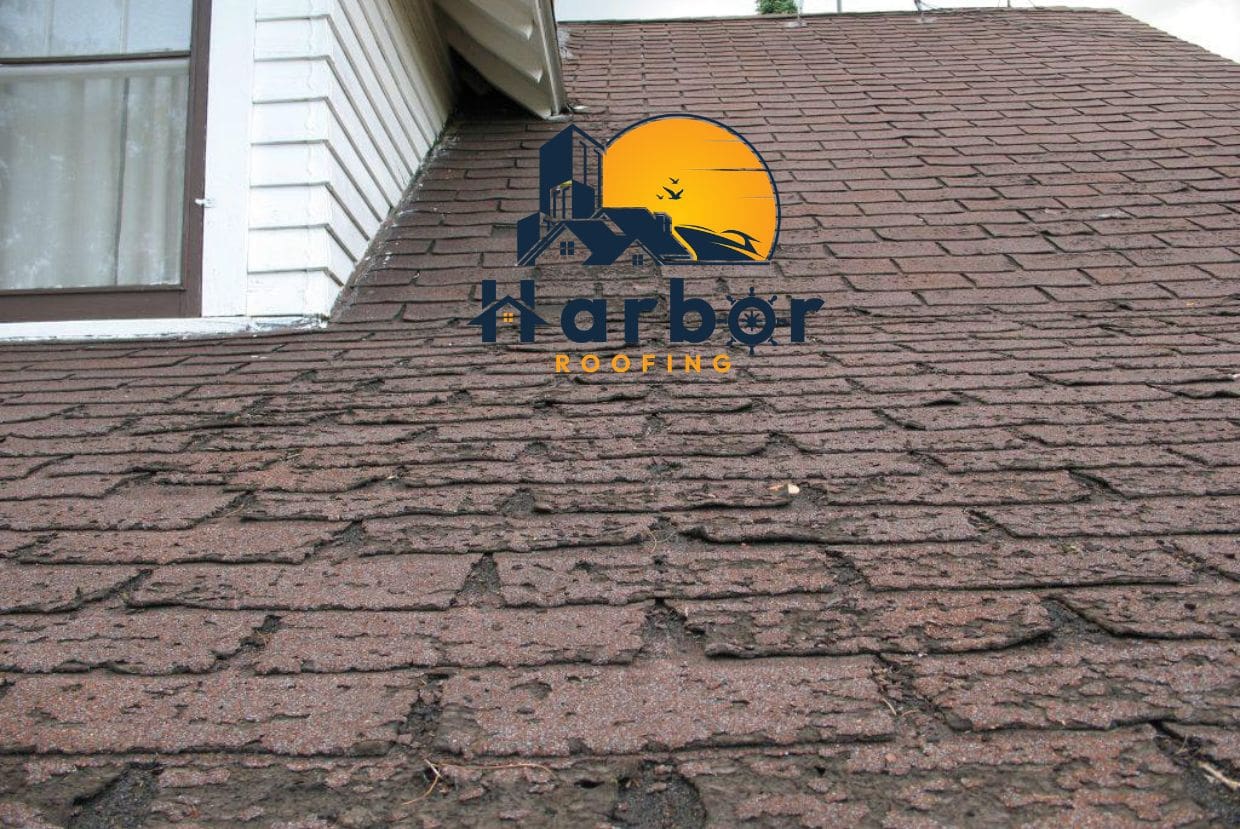
Roof problems do not always show up as water dripping from the ceiling. In fact, many serious roofing issues start with the little things like loose shingles, flashing coming apart, and underlayment wearing out. Moisture builds up in areas you cannot see. So, by the time a leak appears indoors, the damage often extends beyond the roof and into insulation, decking, or walls.
The start of the year is a smart time to schedule a roof inspection, even if everything looks fine. Catching small problems early can prevent expensive repairs later.
Skipping a Roof Inspection After Storm Season
In Florida and across much of the U.S., the end of the year usually follows months of storms, heavy rain, and strong winds. Many homeowners assume that if the roof survived storm season, it must be in good shape. That assumption causes problems.
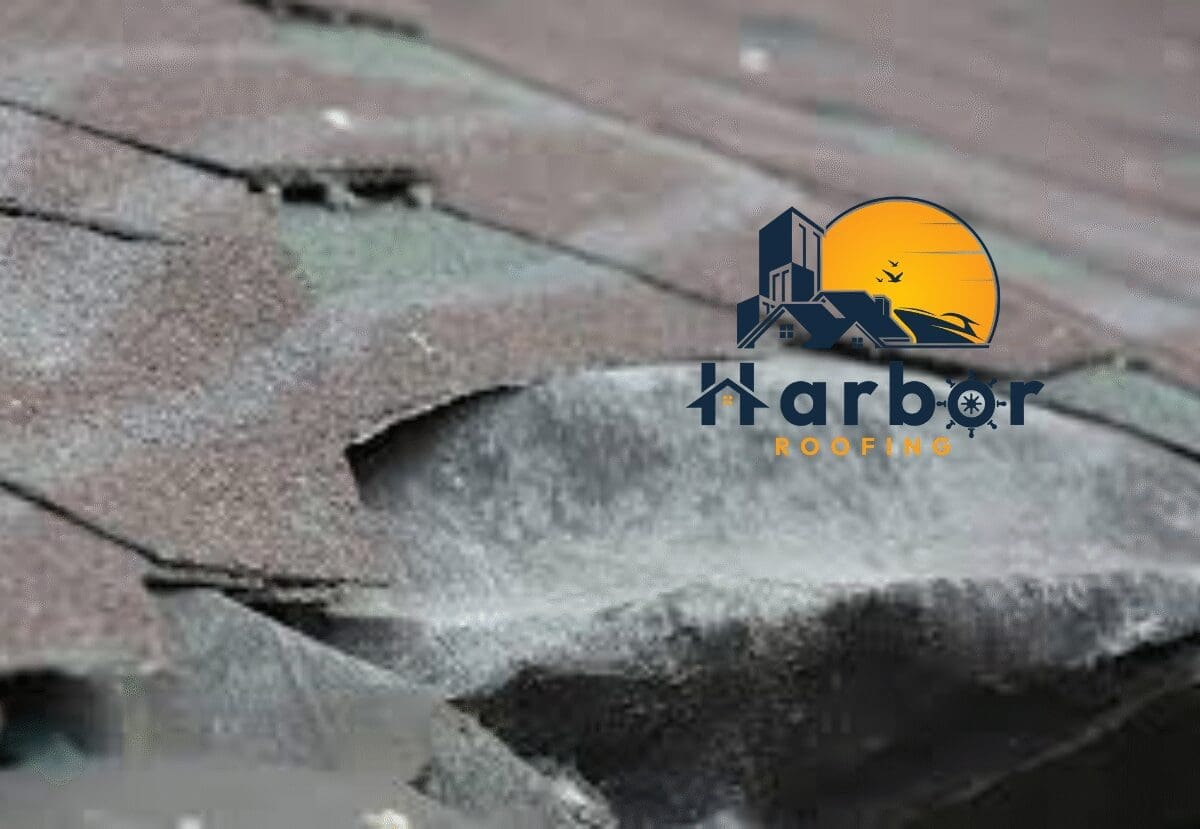
Storm damage is not always obvious. Wind can lift shingles without tearing them off, hail can bruise shingles without cracking them, and flashing can loosen just enough to allow water in over time.
January and February are ideal months for post-storm inspections. Contractors have more availability, and the weather is calmer. Skipping this step often leads to surprise issues right before the next storm season begins.
Waiting Too Long to Deal With Small Repairs
The problem is that roofs do not repair themselves. Over time, those small issues create entry points for water, weaken surrounding materials, and allow damage to spread beneath the surface. What starts as a simple fix can quietly grow into a much larger problem.
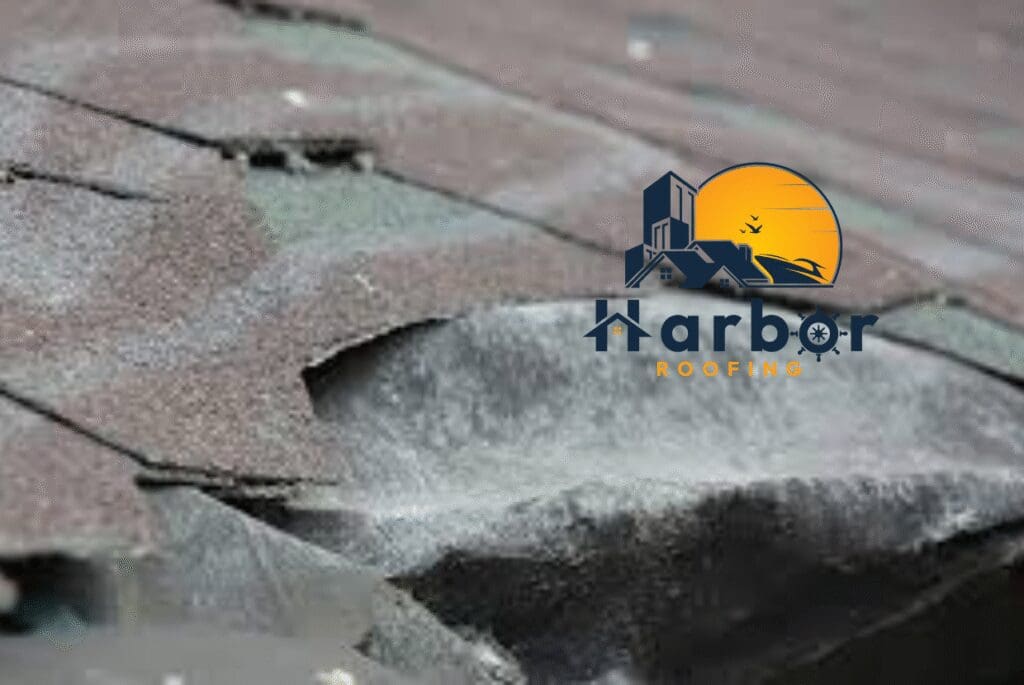
At the start of the year, many homeowners focus on bigger goals and end up pushing aside small roof issues. A loose shingle, a minor flashing problem, or a bit of granule loss often feels too small to worry about right away.
In many cases, a repair that could have been handled easily in January turns into a major repair or even a full roof replacement by summer. Addressing minor roof problems early in the year helps prevent unnecessary damage and saves both money and stress down the line.
Choosing the Wrong Time of Year for Roof Replacement
Delaying roof replacement planning until spring or summer is a common roofing mistake homeowners make. By then, contractors are busy, schedules are tight, and storm season is near.
Winter and early spring often offer the best conditions for roof replacement in Florida. The weather is more stable, contractor availability is better, and projects move more efficiently. Homeowners who plan early have more flexibility and fewer scheduling issues.
Waiting until peak season often means fewer choices and more pressure to make fast decisions.
Not Reviewing Insurance Coverage at the Start of the Year
Many homeowners do not look at their insurance policy until they need it. That delay often leads to frustration. Insurance coverage can change from year to year. Some policies limit coverage based on roof age. Others exclude certain types of damage or require documentation that homeowners do not have ready.
The start of the year is a smart time to review your policy and understand how your roof is covered. Knowing this information early helps you plan repairs or replacement before coverage becomes a problem.
Hiring a Roofer Without Researching First
At the beginning of the year, many homeowners are eager to complete projects quickly. That urgency can sometimes result in hiring the first available roofer without adequate research.
Roofing is not a project where speed should outweigh due diligence. Hiring an unlicensed or inexperienced contractor can result in poor installation, voided warranties, and costly repairs down the road.
Before hiring a roofer, homeowners should:
- Verify licensing and insurance
- Check local reviews
- Ask about their experience with their roof type
- Confirm warranty coverage
A little research at the start can prevent significant problems in the future.
Choosing Price Over Quality
Budget planning is common at the start of the year, but focusing only on the lowest price often leads to problems. Low bids may come with cheaper materials, rushed labor, or skipped steps that reduce the roof’s lifespan.
A roof is a long-term investment that protects your home and impacts energy efficiency and resale value. Quality workmanship and materials usually save money over time by reducing repairs and extending the roof’s lifespan.
The goal should be value, not just the lowest number on a quote.
Ignoring Attic Ventilation and Insulation
Many homeowners focus on shingles and forget about what is happening beneath the roof. Poor attic ventilation and insulation can shorten a roof’s lifespan and cause moisture problems inside the home.
Heat and moisture trapped in the attic can damage roofing materials from the inside out. Over time, this leads to premature aging and unexpected repairs. Early in the year is a good time to check attic conditions and address ventilation issues before they affect the roof.
Waiting for Storm Season to Prepare the Roof
Some homeowners wait until spring or early summer to think about storm preparation. By then, contractors are busy, and schedules are limited. Preparing your roof early in the year allows time for inspections, repairs, and planning. Once storms begin, roofing companies focus on emergency work, and non-urgent projects get delayed.
Taking a proactive approach helps you avoid the rush and reduces storm-related stress.
Assuming All Roofing Materials Perform the Same
Another mistake homeowners make is assuming all roofing materials work equally well in their climate. In reality, material performance varies with exposure to heat, humidity, wind, and rain. What works well in one region may not be ideal in another.
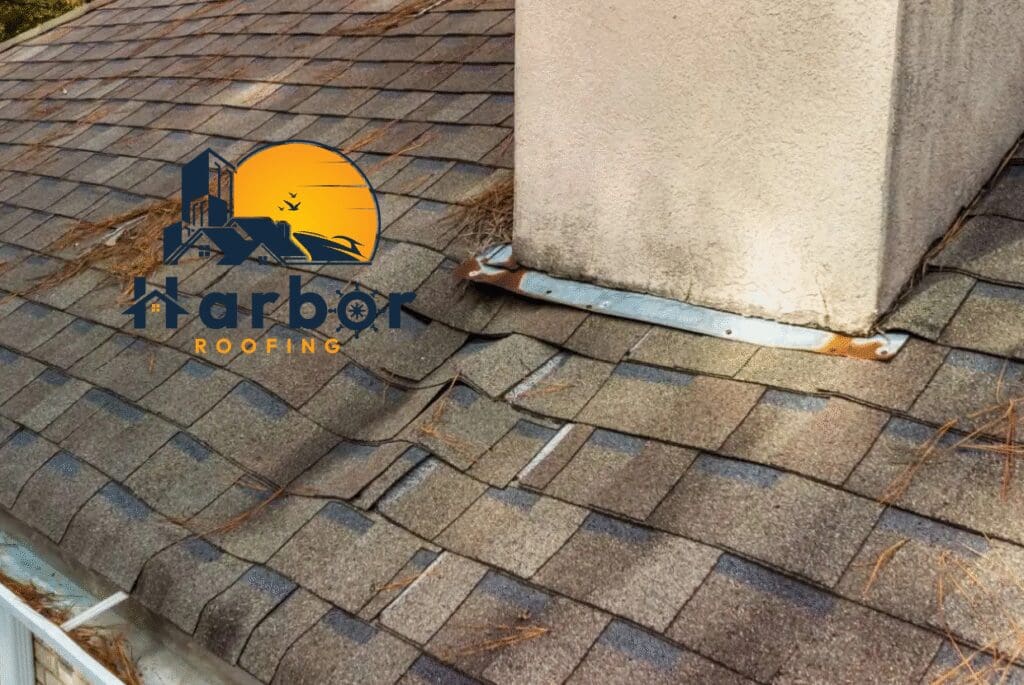
Early in the year is a good time to review whether your current roofing material still makes sense for your home and location. A roofing professional can help you weigh durability, maintenance, and long-term value.
How to Avoid Common Roofing Mistakes Homeowners Make
Avoiding early-year roofing mistakes comes down to planning and awareness. We recommend:
- Scheduling a professional roof inspection early in the year
- Addressing small issues before they grow
- Reviewing insurance coverage annually
- Planning replacements before peak season
- Working with licensed, experienced roofing professionals
A proactive approach protects your roof and gives you peace of mind.
Conclusion
The start of the year is one of the most important times to think about your roof. Roofing mistakes homeowners make early often surface later, when the stakes are higher and options are fewer. By taking action now, you avoid emergency repairs, reduce long-term costs, and extend your roof’s lifespan. Planning early gives you control. Waiting takes it away.
If you are unsure about your roof’s condition or want honest guidance on next steps, a professional inspection is a smart place to start. At Harbor Roofing, we help homeowners make informed decisions before small issues turn into major problems.
Frequently Asked Questions
Should I get a roof inspection at the start of the year?
Yes. Early-year inspections help identify damage from the previous storm season and allow time for repairs before the next one begins.
Is winter a bad time to repair or replace a roof?
In many parts of the U.S., including Florida, winter is actually a great time. The weather is more stable, and contractors are often more available.
How often should I inspect my roof?
Most homeowners should inspect their roof at least once a year and after major storms.
Will insurance cover roof damage from last year’s storms?
It depends on your policy and how quickly you report the damage. Reviewing your coverage early helps avoid surprises.